Getting Visual: Adding Images That Tug at Heartstrings

Getting Visual: Adding Images That Tug at Heartstrings
Today, we embark on a creative journey into the world of self-publishing children’s books, where we explore the art of adding AI-generated images that not only enhance your narrative but also tug at the heartstrings of young readers. Join us as we unravel the magic behind the visual wonders of storytelling, with a special focus on “Aurora’s Luminous Adventure,” our beloved rainbow hedgehog.
Visual Storytelling in Self-Publishing
In the realm of children’s books, visuals are paramount. They complement the narrative, spark imagination, and form a deep emotional connection with young readers. As authors and storytellers, we understand the importance of crafting a visual experience that resonates.
Aurora’s Magical Adventure was my first AI-assisted children’s book and the dream of writing can come true for anyone!
DON’T MISS the first post about planning story content with AI and self publishing AI legal questions!
**Don’t forget to check out more AI and self-publishing posts to help you on your own journey!**
AI-Powered Illustrations:
Dive into the enchanting world of AI-generated illustrations. These images are more than just visual aids; they are a testament to the magic of technology and storytelling. With AI, we can bring characters like our Rainbow Hedgehog, Aurora, to life in ways we never thought possible.
Here are examples of AI generated art pages from Aurora’s Magical Adventure. The depth, beauty and gorgeous illustrations bring the story to life!


Consistency is Key: Keeping Characters and Settings in Harmony
One of the essential aspects of crafting a compelling children’s book is maintaining consistency in your characters and settings. Young readers are perceptive, and any inconsistencies can disrupt their immersion in the story. Here are some exact tips and prompts to ensure that your characters and settings remain harmonious throughout your narrative:
**You can learn more about AI book illustrations (and some exclusive content!) HERE! **

1. Create Detailed Character Profiles:
- Begin by crafting comprehensive character profiles. Include information about their appearances, personalities, backgrounds, and any unique traits or quirks. These profiles serve as your reference point throughout the story.
- use the same chat to keep consistency. I also save specific references to “re-engage” the Chat especially after coming back after a time off.
2. Character Bibles:
- Consider creating a “Character Bible” that compiles all the essential details about your characters in one place. This includes their names, ages, relationships with other characters, and any changes they undergo throughout the book.
3. Consistent Language and Dialogue:
- Pay close attention to the way each character speaks. Ensure their dialogues are consistent with their personalities and backgrounds. For example, a young, imaginative character might use more playful language, while a wise elder may speak with wisdom and gravitas.
4. Visual References:
- If you’re working with an illustrator, provide visual references for your characters. This helps ensure that their appearances remain consistent in every illustration.
5. Setting Descriptions:
- Describe your story’s settings in detail. Whether it’s a magical forest, a cozy home, or a bustling city, consistency in descriptions helps readers form a vivid mental image.
6. Create Setting Notes:
- Similar to character profiles, consider setting notes that document key details about each location in your story. Include information about the geography, weather, and any unique features.
7. Storyboard the Journey:
- Storyboarding can be a valuable tool for visualizing how characters move through different settings. It helps you maintain spatial consistency and ensures that characters don’t mysteriously teleport from one place to another.
8. Consistent Character Growth:
- If your characters undergo growth or development during the story, ensure that these changes are gradual and consistent. Readers should be able to trace their transformation from beginning to end.
9. Proofreading and Editing:
- During the editing phase, pay specific attention to consistency. Check for any discrepancies in character descriptions, settings, or plot details. A fresh pair of eyes, such as a professional editor, can be invaluable for catching inconsistencies.
- Remember you can use other AI or photo editing for minor details – like erasing background, or extension of image for text.
10. Seek Feedback:
- Share your manuscript with beta readers, especially those within your target age group. Their feedback can uncover inconsistencies that you might have missed.
11. Revision Process:
- Be prepared to revise and refine your manuscript multiple times. Each revision should include a thorough consistency check to ensure that your characters and settings align seamlessly.
Remember that consistency in characters and settings not only enhances the reading experience but also demonstrates your dedication to crafting a polished and immersive story for young readers. By following these tips and maintaining a keen eye for detail, you’ll create a narrative that captivates and engages your audience while keeping them firmly rooted in the world you’ve crafted.
WANT to see this in action?! Check out this AI made Easy video series to watch it unfold and get started!

Embrace the Future of Character Crafting
Incorporating AI into character creation elevates your storytelling to star-quality levels. By tapping into AI’s creative potential, authors can fashion characters that not only capture young readers’ imaginations but also provide an inclusive and engaging reading experience. As we set the stage for the digital age of self-publishing, let’s create characters that shine with star-quality style, inviting children into a world of wonder and imagination.
**To read more of Amber’s Books check out her author page!*

The ULTIMATE Amazon Prime Day 2022 for Teachers or Educators Guide – your heart wants these!
The Prime Day 2022 guide for teachers is here!! These are the Amazon Prime Day…
Plan your days! How to create a daily agenda in Google Slides for your classroom
Daily agenda editable Google Slides templates help you stay organzied! A great addition to any…
Back to School Virtual Field Trip – start your school year off right!
Virtual Field Trips are the *next* coolest thing! Who doesn’t love a chance to see…

Back to school 2021 – resources at your fingertips for post-COVID
Back to School 2021….may be a possibility for you at least for some amount of…
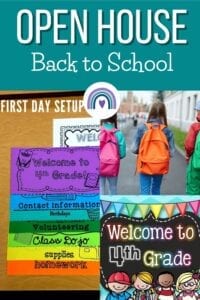
Meet the Teacher Open House Ideas for Back to School 2021
Meet the Teacher Open House is one of the biggest nights of the year –…
Get your hands on -The ULTIMATE Amazon Prime Day 2021 for Teachers or Educators Guide
The Prime Day 2021 guide for teachers is here!! These are the Amazon Prime Day…